
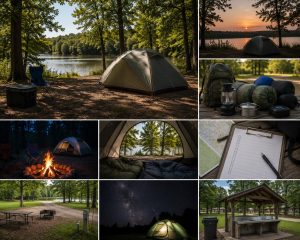
Tent Camping in Texarkana: What to Know Before You Pitch
Tent camping in East Texas is a genuinely rewarding experience — pine trees, quiet mornings, and night skies that city lights don’t reach. But going in prepared makes all the difference.
But tent camping in Texarkana does have its specific considerations. The weather has opinions. The insect situation is real. The gear that works in the Pacific Northwest doesn’t always work the same way in the humid heat of East Texas. This guide covers what you actually need to know before you pitch your tent — from site selection to gear decisions to the best times of year to make the trip.
Why the Texarkana Area Is Worth Tent Camping
First, let’s make the case — because plenty of people pass through Texarkana without realizing what the surrounding area has to offer for outdoor experiences.
The Texarkana region sits at the convergence of three distinct landscapes: the Piney Woods of East Texas, the Arkansas Ouachita foothills, and the river bottomland along the Red River and its tributaries. That geographic convergence creates an unusual diversity of natural character within easy driving distance of a single campsite.
Caddo Lake — one of the most atmospherically striking natural areas in Texas — is about an hour southwest. Wright Patman Lake is much closer and offers extensive shoreline and water access. The Sulphur River Bottoms and the areas along the Red River to the east have a wild, dense character that feels genuinely remote despite being accessible.
For tent camping in Texas that’s off the beaten tourist circuit, the Texarkana area is an underrated choice — and the campgrounds here are less crowded than the more heavily marketed state parks in Central and West Texas.
“The best campgrounds in Texas are the ones most people drive through without stopping. Texarkana falls squarely in that category, and that’s exactly what makes it good.”
Understanding the Weather: This Is Critical
East Texas weather is the variable that makes or breaks a tent camping trip in this area, and it’s worth understanding before you pack.
The Best Seasons for Tent Camping Near Texarkana
Fall (October through early December) is the undisputed best tent camping season in the Texarkana region. Temperatures are genuinely comfortable — days in the 60s and 70s, nights cool enough for a sleeping bag without being cold. The humidity drops from summer highs. The insects are mostly gone by mid-October. The hardwood trees mix color into the pine forest canopy. It’s excellent camping weather, and the campgrounds are comparatively uncrowded.
Spring (March through mid-May) is the second-best window, with the caveat that spring thunderstorms in East Texas are serious and frequent. Beautiful camping weather alternates with significant rain events and the occasional severe weather risk. A rainfly that actually works is non-optional in spring. A free-standing tent that can be moved quickly is worth the extra weight. Keep an eye on the forecast through the entire spring camping trip — this isn’t paranoia, it’s appropriate awareness of a real weather pattern.
Summer Camping: Possible, Not Comfortable
Summer tent camping near Texarkana is genuinely challenging. July and August routinely see heat indices above 100°F, and humidity that makes that heat feel significantly worse. Nights offer limited relief — lows in the mid-70s with high humidity means sleeping in a tent without air movement is uncomfortable at best.
If you’re committed to summer camping in the area, the mitigation strategies are: arrive late afternoon when the worst heat has passed, camp near water where air movement is slightly better, sleep without the rainfly whenever there’s no precipitation risk (mesh tent panels allow dramatically more airflow), and get up early before the heat rebuilds. It’s doable. But fall camping in the same spot is so much better that most experienced campers save Texarkana for the cooler seasons.
Winter Camping: Underrated
East Texas winters are mild by most standards — temperatures rarely drop below freezing for extended periods, and snow is an occasional event rather than a seasonal expectation. A three-season tent rated to 20°F and a sleeping bag appropriate for the temperature forecast will handle most Texarkana winter nights comfortably. The campgrounds are quiet, the insects are fully absent, and the pine-dominant forest retains greenery through the winter in a way that makes the landscape feel alive even in January.
Choosing a Campground Tent Site Near Texarkana
Site selection is one of the more undervalued decisions in a tent camping trip, and the Texarkana area has specific site characteristics worth knowing about.
What Makes a Good Tent Site in East Texas
Shade is the first priority in spring, summer, and early fall. Direct sun on an East Texas tent from 10 a.m. to 4 p.m. turns the interior into something approaching an oven. A site with tree cover — ideally on the east-west axis so morning and afternoon sun is filtered — makes an enormous difference in daytime comfort and in how cool the tent gets overnight.
Ground composition matters. The red clay soil common in this part of Texas packs hard when dry and becomes slippery when wet. Check recent rainfall before you arrive. If there’s been significant rain, bring extra-long stakes for softer ground and be prepared for slightly soggy conditions underfoot. Tent footprints or tarps under the tent are worth bringing regardless — they protect the tent floor and add a layer of moisture barrier from ground moisture that East Texas soils hold.
Consider drainage. A site that looks perfectly level when you choose it can become a water-channeling problem during a rain event. Look at how the ground slopes around the site before you commit to it, and position the tent so that any runoff moves away from rather than through your sleeping area.
Campground Tent Sites vs. Primitive Sites
Primitive tent sites and campground tent sites offer different experiences at different price points. Primitive camping in the more remote areas around Texarkana — on national forest land or in designated primitive areas — means pack-in, pack-out, no facilities, and a more genuinely wild experience. Campground tent sites near Texarkana provide access to restrooms, water, and often electricity hookups nearby, which makes the logistics considerably easier especially for less experienced campers.
For most tent campers — particularly families, first-timers, and those who want the outdoor experience without full backcountry logistics — the campground tent site is the right choice. It gives you the essential experience of sleeping outside with access to the fundamentals that make multi-night camping comfortable.
The Insect Situation: Honest East Texas Advice
Texas has bugs. East Texas has more of them. Texarkana’s humid, forested environment supports a population of mosquitoes, chiggers, and ticks that newcomers consistently underestimate.
Mosquitoes are the obvious one and the most manageable with standard DEET repellent and covering exposed skin during dawn and dusk hours when activity peaks. Treat clothing with permethrin before a camping trip — this washes out over time but lasts several wearings and dramatically reduces mosquito and tick contact.
Chiggers are the East Texas insect surprise that most out-of-area visitors don’t see coming. These microscopic mite larvae live in grassy, brushy areas and attach to skin at sock lines, waistbands, and any clothing seam. The itch they produce is delayed by several hours and lasts for days. Prevention: tuck pants into socks, apply DEET to clothing at contact points, change clothes promptly after being in brushy areas, and shower soon after camping in chigger-prone environments. Once you know about chiggers, you don’t make the mistake twice. Once you don’t — well, it’s an educational experience.
Ticks are present throughout the region and tick-borne illness (Lyme disease, Rocky Mountain spotted fever) is a genuine health consideration in East Texas. Check yourself, your children, and your pets thoroughly after any time in vegetation. Remove attached ticks promptly with fine-tipped tweezers. Permethrin-treated clothing and DEET on exposed skin are the most effectve preventive combination.
Campground Amenities and What to Expect
The range of campground tent sites near Texarkana runs from well-developed parks with flush toilets and hot showers to more basic sites with pit toilets and no hookups. Know what’s available at the specific campground you’re booking before you arrive — this isn’t information you want to discover at 9 p.m. after the drive.
For tent campers who want the full outdoor experience with reasonable access to facilities, a well-maintained campground is the right choice. The combined community of campers and RVers in a mixed-use campground gives you a safety net — neighbors are around if something goes wrong — while still offering the outdoor atmosphere that makes tent camping worth doing.
For those who end up wanting to explore the broader RV camping world after a positive tent camping experience, the RVing lifestyle resource gives a good picture of what that transition involves. And for everything about camping options in the Texarkana area — from tent sites to full hookup RV sites — RV Park Texarkana is the natural starting point for planning your stay.
Frequently Asked Questions
When is the best time to go tent camping near Texarkana?
October through early December is the best window — comfortable daytime temperatures, cool nights perfect for sleeping, minimal insects, and uncrowded campgrounds. March through mid-May is a good second choice with the caveat that spring thunderstorms in East Texas are frequent and can be severe — a reliable rainfly and weather awareness are essential. Summer camping is possible but significantly less comfortable due to heat and humidity. Winter camping is mild and quiet, and underrated by most campers who assume East Texas winters are rougher than they actually are.
What kind of tent do I need for camping in East Texas?
A three-season tent with a full-coverage rainfly is the minimum for East Texas camping. Spring rain events can be heavy and come quickly — a partial rainfly that only covers the top won’t cut it in a sideways rain. The tent should have good mesh ventilation panels for summer use (sleeping without the rainfly in warm weather is standard practice for comfort). A footprint or ground tarp is worth bringing to protect against ground moisture. For summer camping specifically, look for tents with maximum mesh coverage for airflow rather than insulation-focused designs.
Are there fire restrictions for tent camping near Texarkana?
Burn bans in Texas are county-specific and can be implemented with relatively short notice during dry conditions. Check the current burn ban status for Bowie County (Texas side) and Miller County (Arkansas side) before your trip — the Texas A&M Forest Service website publishes current county-by-county burn ban information. Most organized campgrounds will also post or communicate current restrictions. Even without a formal burn ban, summer dry conditions make fire safety practices essential — fully extinguish fires with water, stir, and verify before leaving or sleeping.
How do I deal with chiggers when tent camping in East Texas?
Prevention is significantly easier than treatment. Before camping, treat clothing with permethrin spray — particularly socks, pants, and shirt hems. Apply DEET repellent to exposed skin and to clothing at openings like sock lines and waistbands. Tuck pants into socks when in grassy or brushy areas. Change clothes promptly after time in vegetation and shower as soon as practical after returning to camp. If you do end up with chigger bites, hydrocortisone cream and oral antihistamines help manage the itch — the bites themselves resolve over a week or two, and scratching makes them significantly worse.
Are tent camping sites available at Texarkana RV Park?
The availability and configuration of tent sites at any specific campground can change, so the best approach is to contact the park directly or check current availability through their booking system. RV parks that accommodate tent campers typically designate specific areas for tent sites separate from RV hookup sites. When booking, specify that you’re tent camping rather than arriving in a vehicle — this ensures you’re placed in an appropriate site and helps the park manage site assignments correctly.
What day trips are worth doing from a tent camping base near Texarkana?
Caddo Lake State Park (about 90 minutes southwest) is the standout day trip — one of the most visually distinct natural areas in Texas with its Spanish-moss cypress forests and slow backwater channels, best experienced by kayak or canoe if you have access to one. Wright Patman Lake, much closer to Texarkana, offers fishing, swimming, and day-use areas. The historic downtown Texarkana district is worth an afternoon, particularly the State Line Avenue area and the Federal Building that sits on both state lines. The areas along the Red River east of Texarkana have good fishing access and a wild, bottomland character worth exploring.